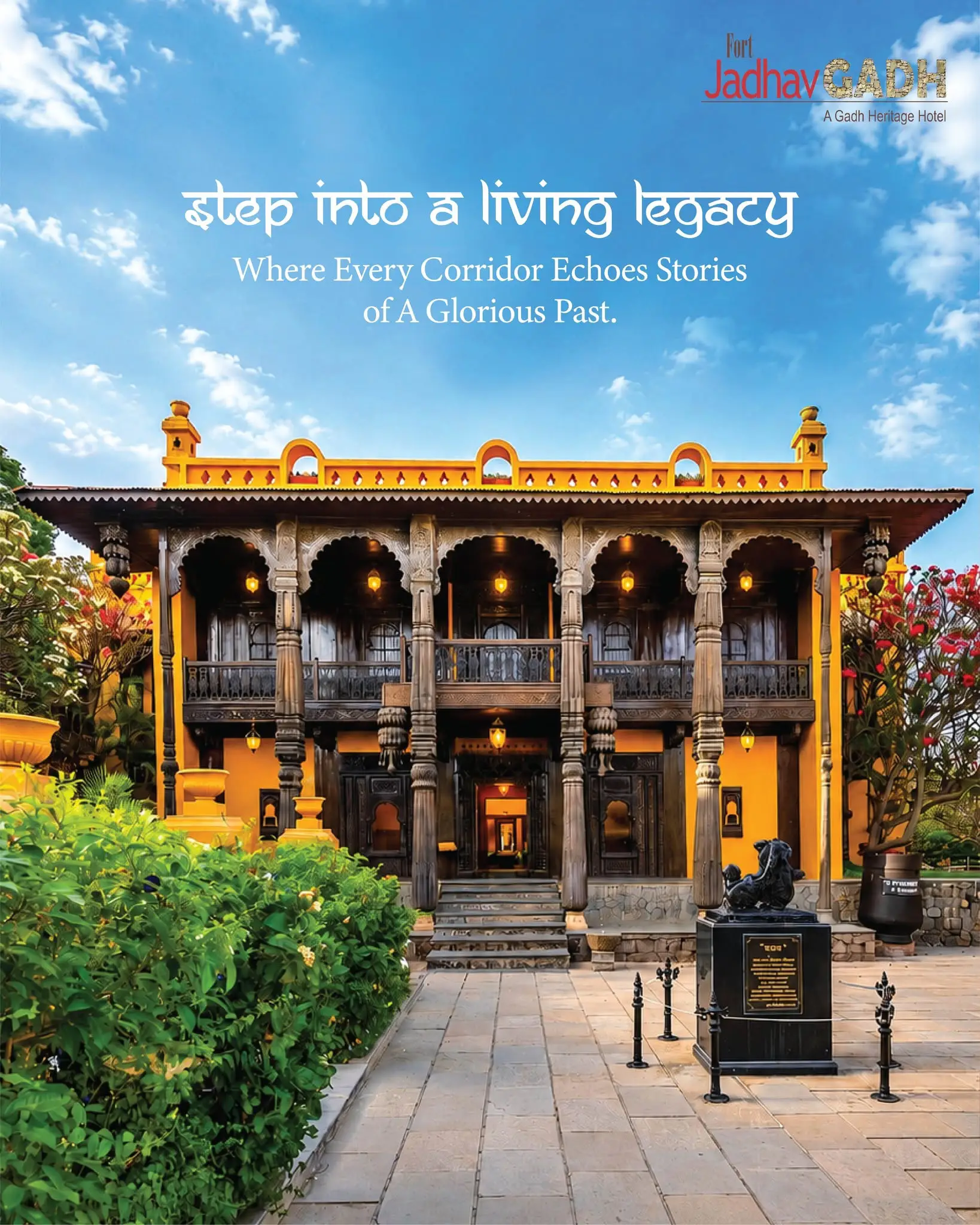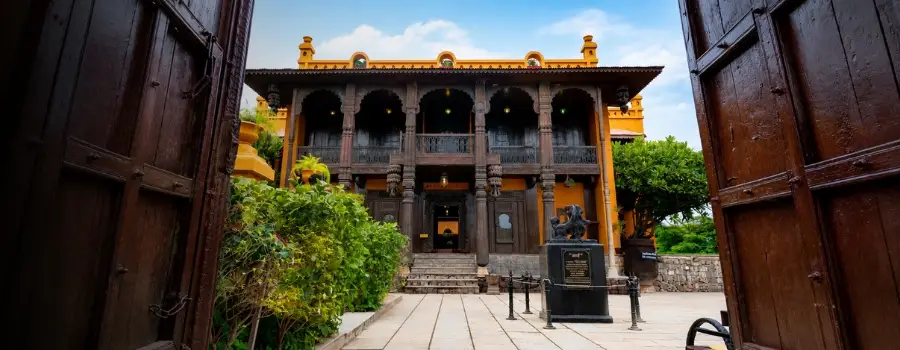
Nestled within the historic Fort JadhavGADH, the Aai Museum offers a fascinating glimpse into over 300 years of Maratha history and culture. Thoughtfully curated by Dr. Vithal Venkatesh Kamat over four decades, the museum houses an extraordinary collection of more than 35,000 antiques and artefacts, making it one of the most unique heritage attractions near Pune.
Named after the Marathi word for "mother," the museum is a heartfelt tribute to mothers across the world. Housed within the fort's restored horse and elephant stables, the museum reflects Dr. Kamat's vision of preserving India's rich cultural legacy by rescuing and restoring objects that might otherwise have been lost to time.
As visitors step inside, they embark on a journey through centuries of history, beginning with the legacy of Pilaji Jadhavrao, the renowned Maratha General who served under Chhatrapati Shahu Maharaj. The museum's carefully curated galleries showcase an impressive collection of brassware, oil lamps, traditional jewellery, decorative storage boxes, antique board games, historic paintings, walking sticks, turbans, and household artefacts from the 17th and 18th centuries.
 Treasures of Time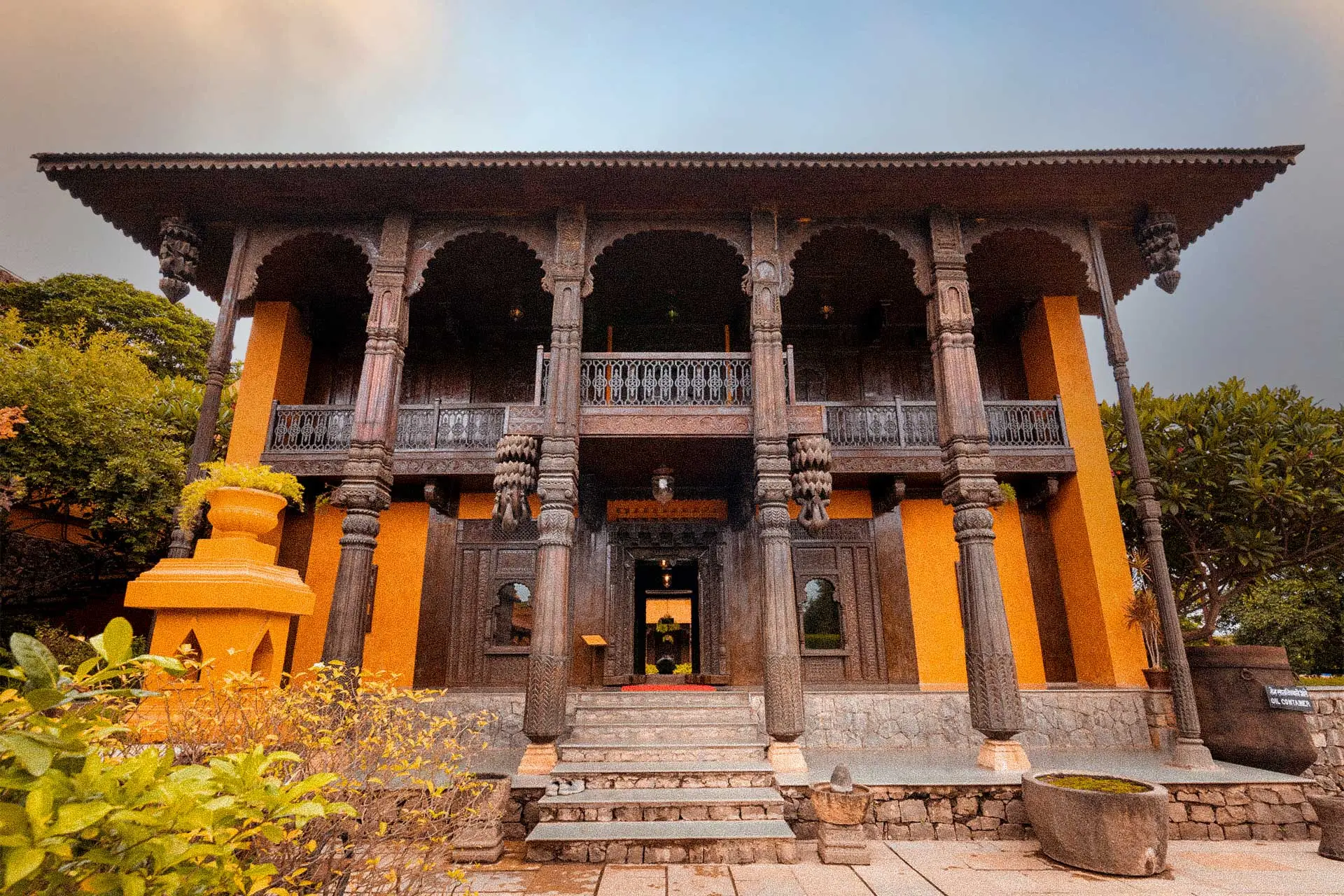
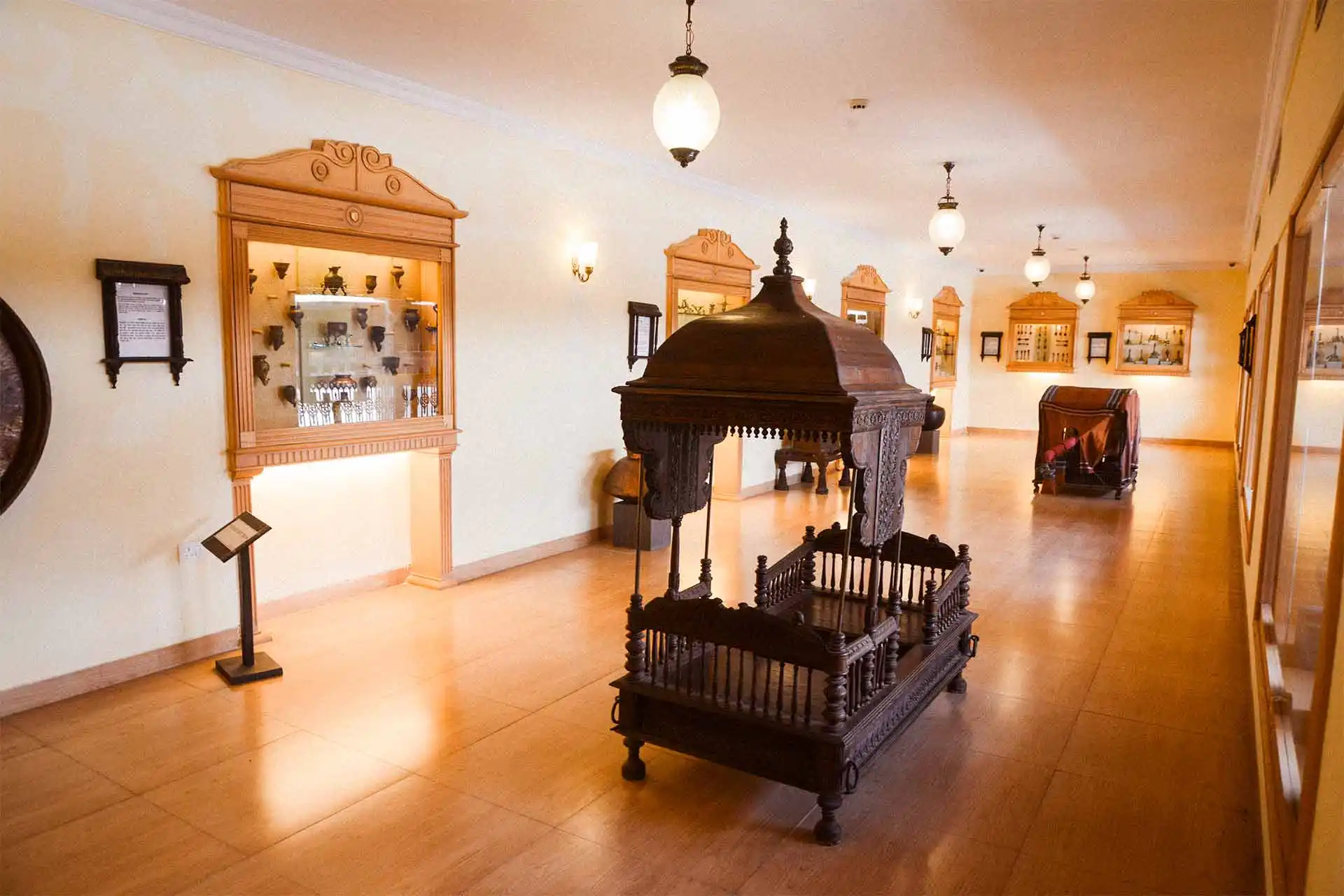
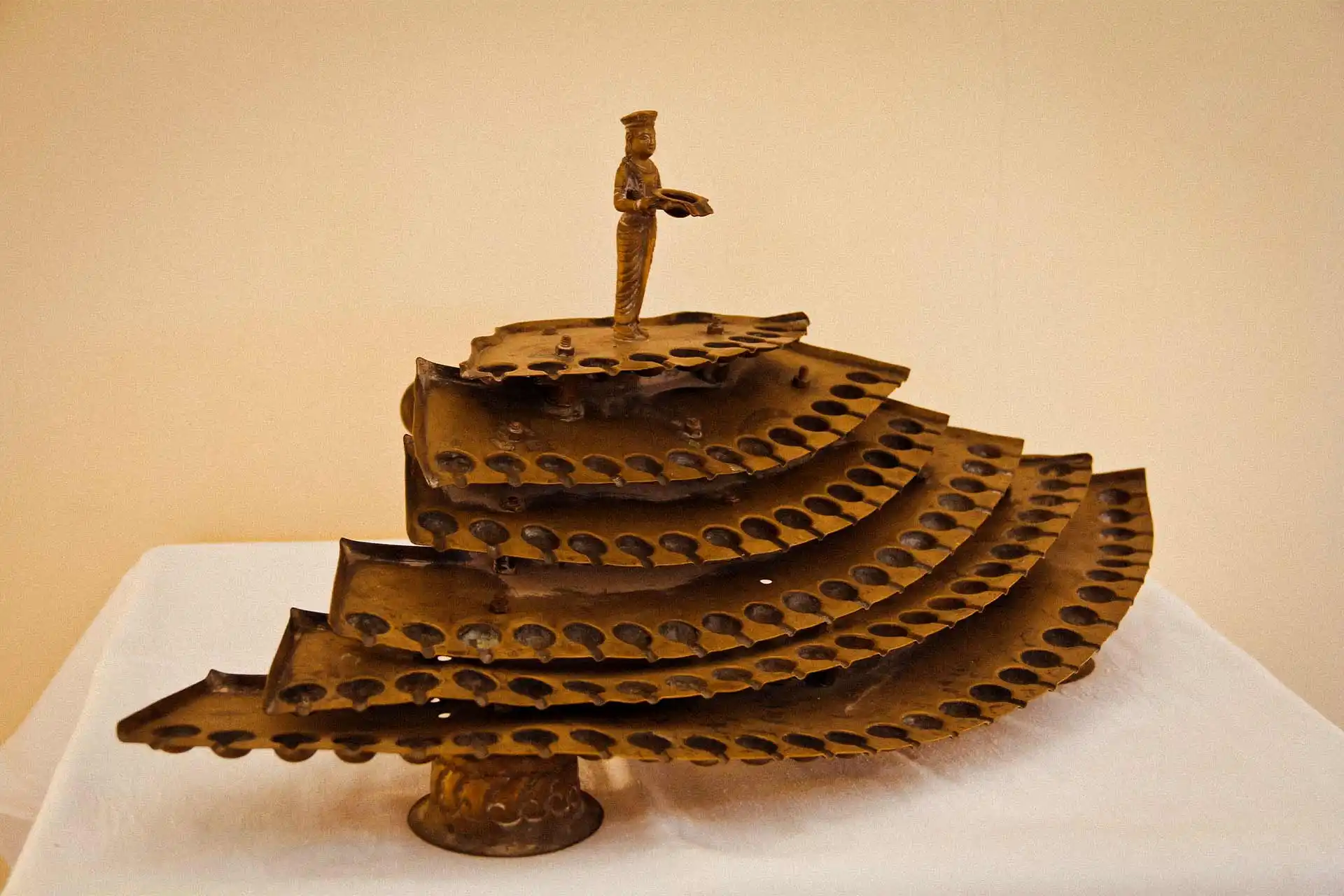
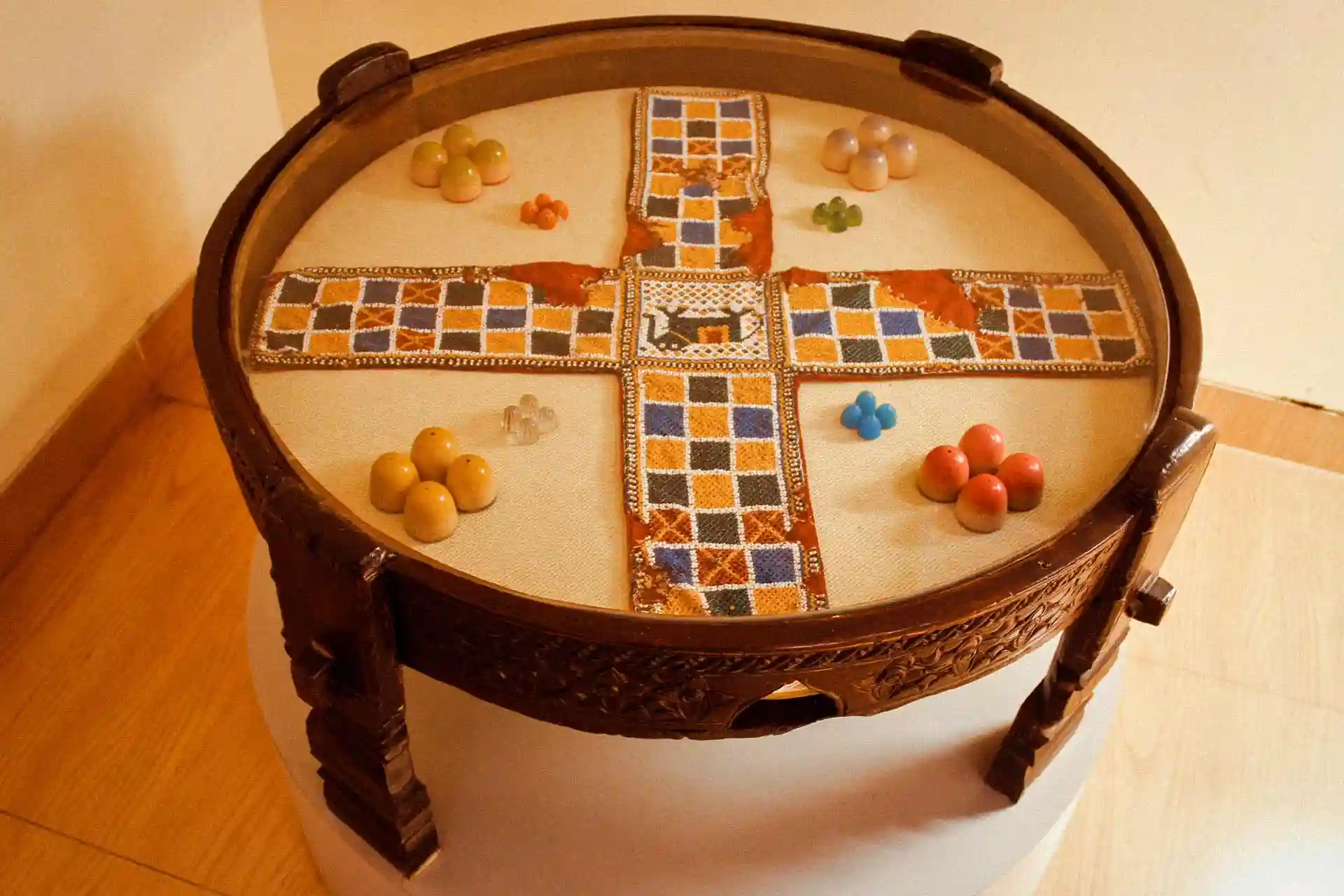
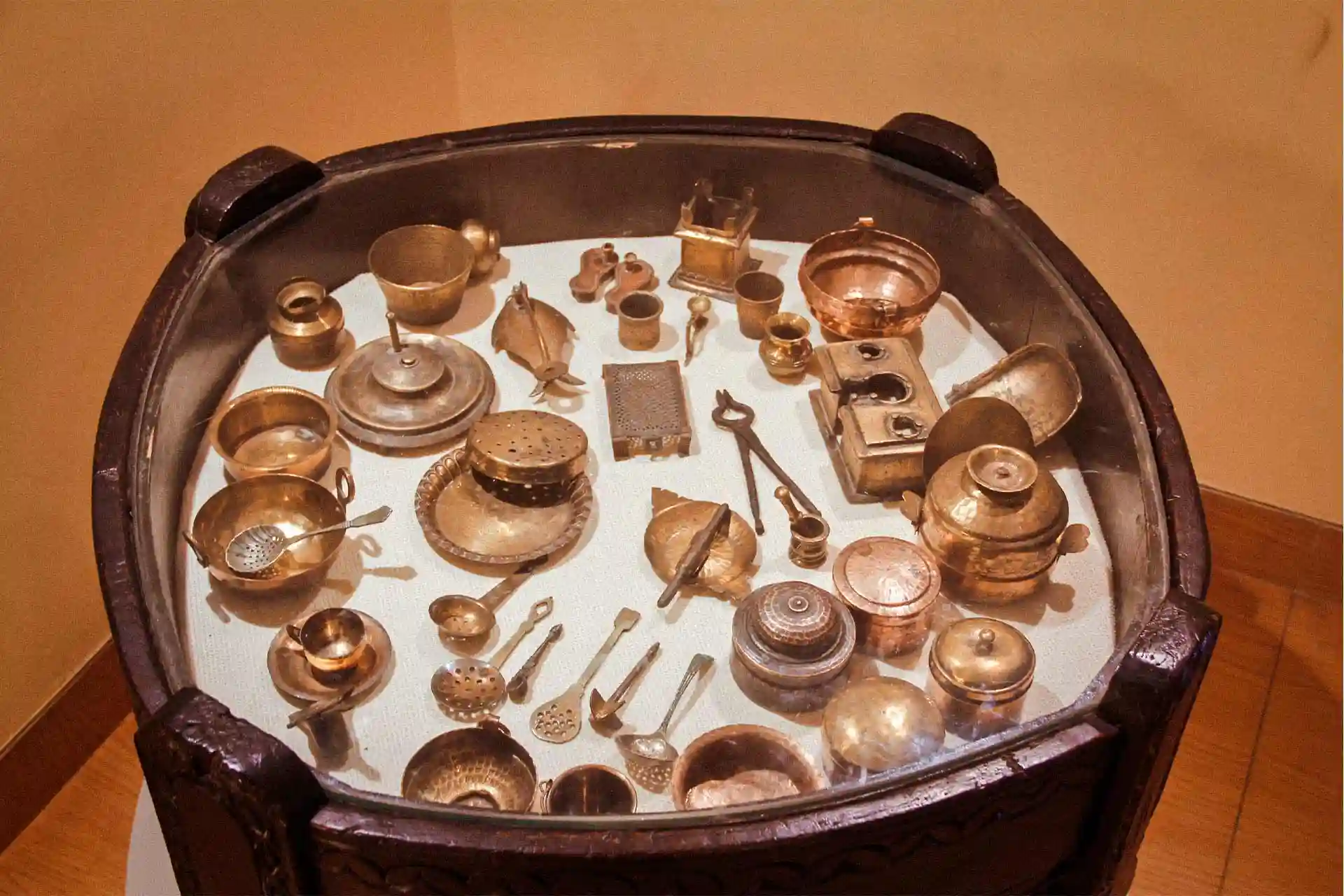
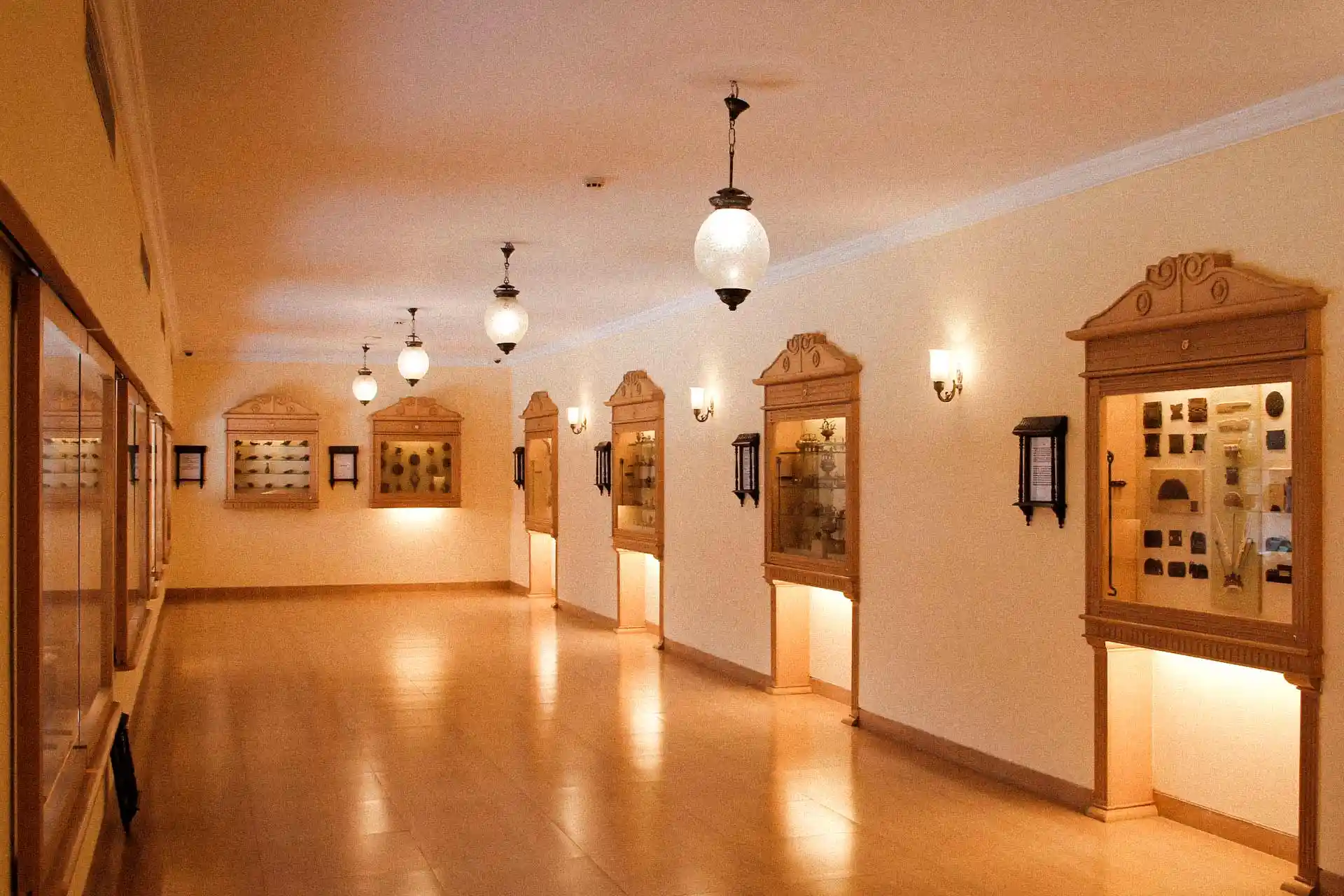
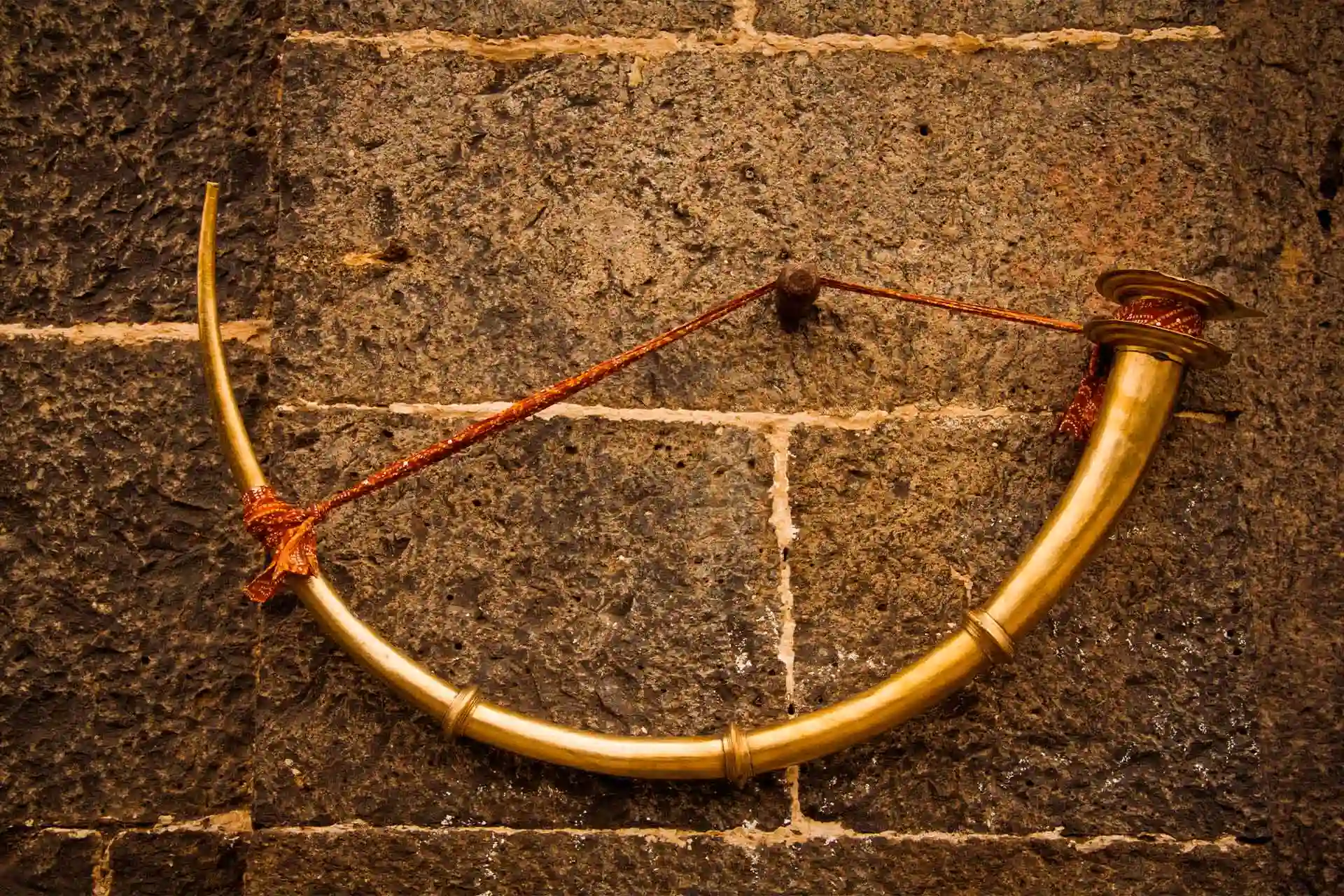
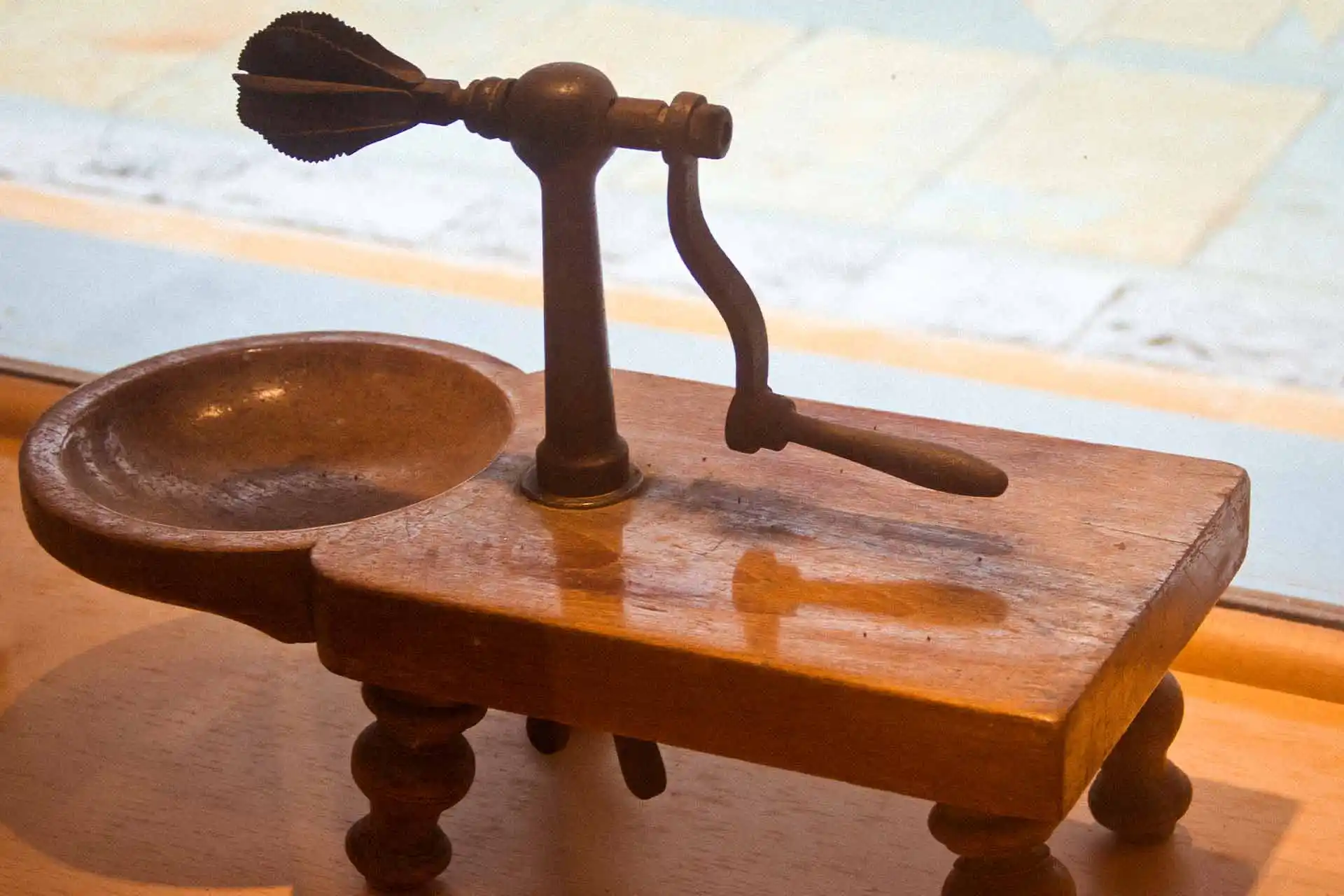
Among the museum's many highlights are royal bullock carts, an ornate wedding palanquin (doli), antique locks, lanterns, cooking vessels, and beautifully crafted surmadanis and kajaldanis used for storing traditional kohl. One of the museum's most fascinating exhibits is a gigantic lock that can only be opened using a unique sequence of keys, reflecting the ingenuity and craftsmanship of a bygone era.
More than just a museum, Aai Museum is a celebration of heritage, artistry, and the everyday lives of people from centuries past. Whether you are a history enthusiast, culture lover, or curious traveller, this remarkable collection offers an enriching and immersive experience that brings the grandeur of the Maratha legacy vividly to life.
Dr. Vithal Venkatesh Kamat's vision for Aai Museum extends far beyond preserving antiques. A passionate collector and conservationist, he spent more than three decades rescuing and curating over 35,000 artefacts from across India, many of which would have otherwise been lost to time. By transforming the fort's historic horse and elephant stables into a museum, he created a living repository of culture, craftsmanship, and everyday history, ensuring that future generations can connect with India's rich heritage and traditions.
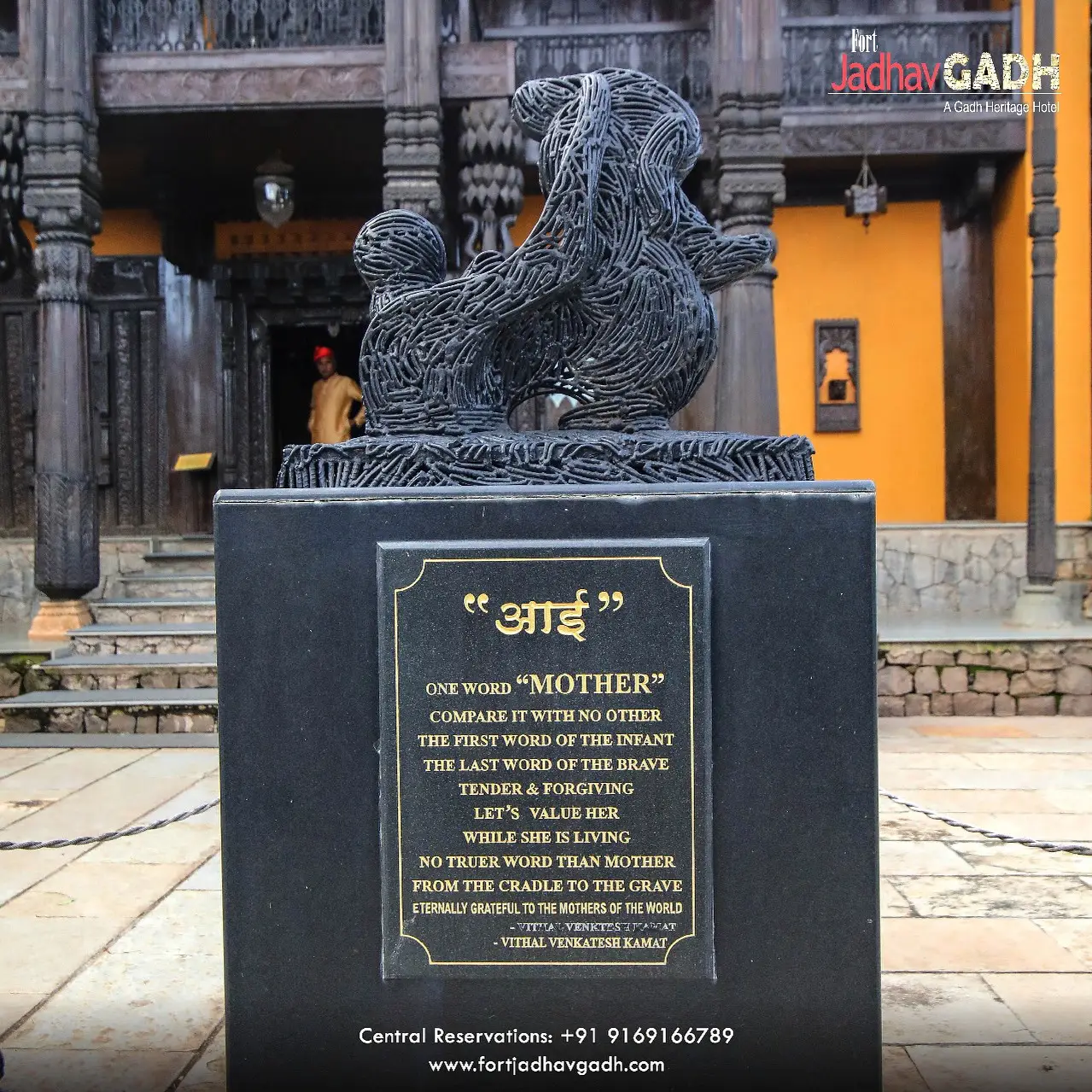
The museum derives its name from the Marathi word "Aai," meaning Mother, and stands as a heartfelt tribute to mothers everywhere. Symbolised by the sculpture of a mother and child at its entrance, the museum celebrates the nurturing role of mothers in preserving family values, traditions, and cultural memories across generations. Much like a mother safeguards a family's legacy, Aai Museum preserves the stories, objects, and experiences that have shaped India's cultural identity, making it both a historical treasure and an emotional homage.